



Over the years, the great and the good - as well as the not so great or good - have passed through Watford. Many left their mark on local history in one way or another.
One American left a very big mark in 1903. Now, a short while since the 250th United States Independence Day, seems a suitable time to recall his memorable visit.
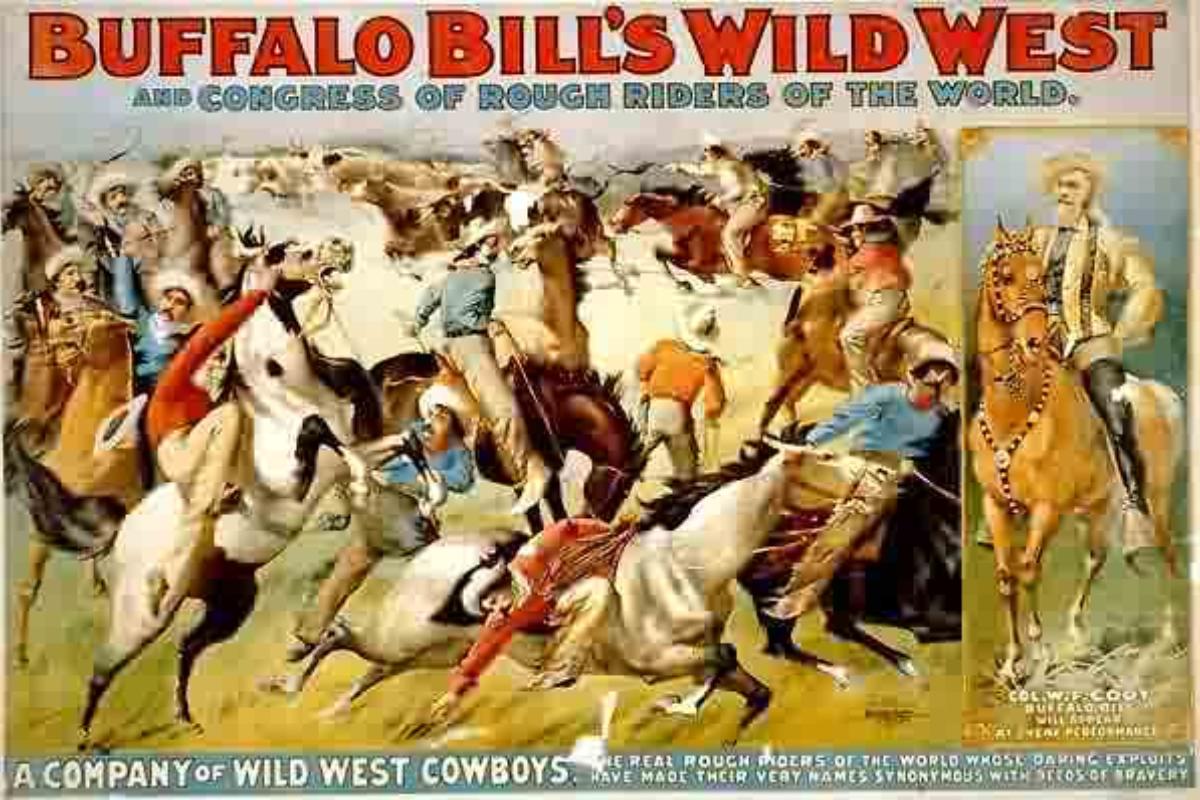
In the Victorian times his name was almost universally known. He was Colonel William Frederick Cody or Buffalo Bill, a nickname from the American Civil War. He and his mighty entourage left New York by ship on December 6 1902 and arrived in Southampton 11 days later. Once disembarked, they utilised several trains owned by Barnum & Bailey to transport the cast, tradesmen, animals, wagons and a multitude of equipment. The self-supporting colony brought its own catering team and even an enormous refrigerator.
In the summer of 1903 posters promoting the grand event appeared everywhere in the Watford area. It was Buffalo Bill's third visit to this country, but the only one during which he brought his famous Wild West show and Congress of Rough Riders of the World to Watford. The auspicious day was August 31 1903.

Read more
Bradford boss Alexander confirms 'opportunity' for Watford target Walker
Drones carrying 'significant amounts' of drugs into The Mount a 'major challenge'
With a cast of 800, including farriers and harness manufacturers and 500 horses, the scale of the venture was massive; a spectacular event that was a great talking point in the Watford locality for years afterwards.
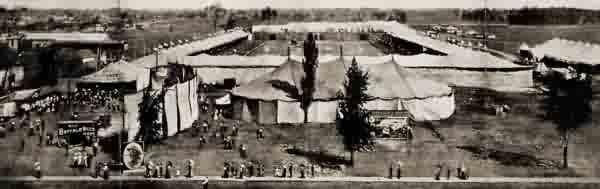
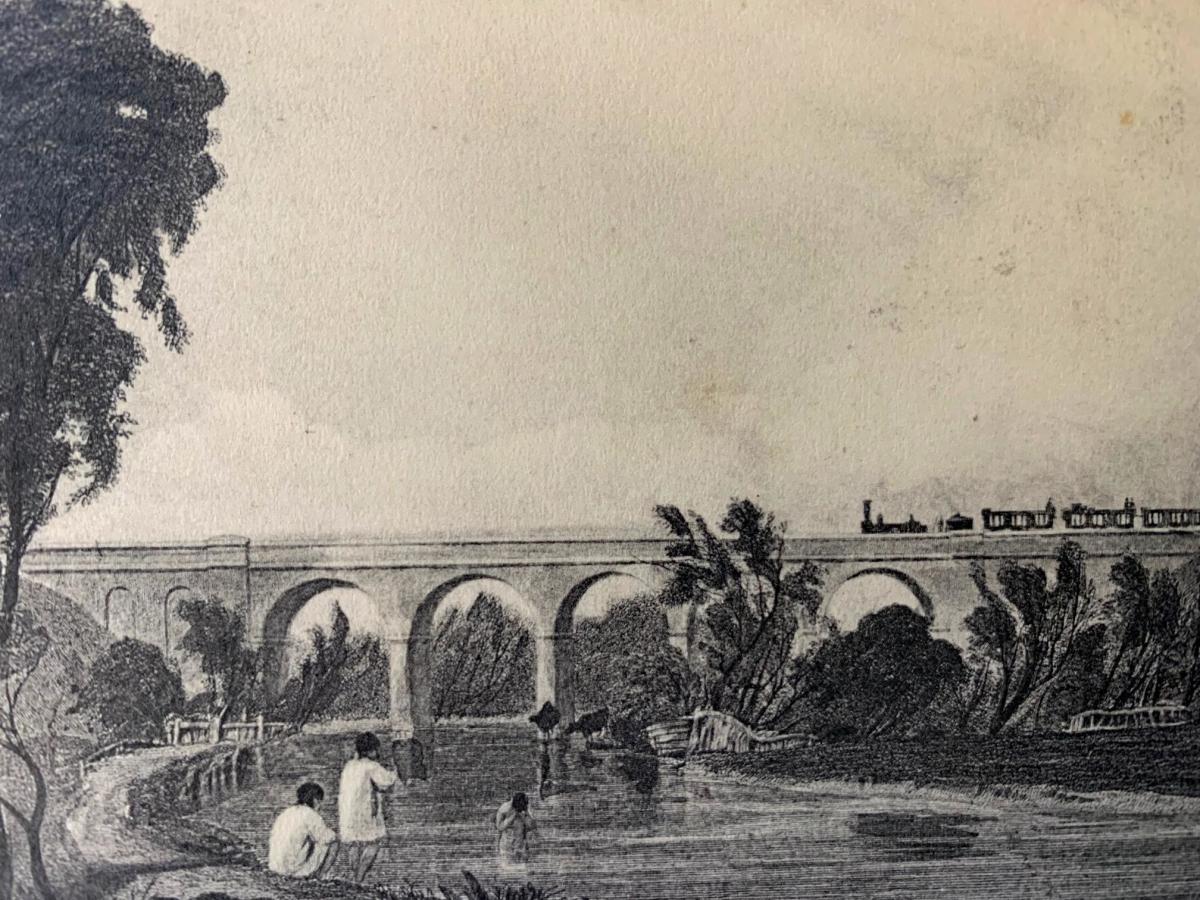
The show took place in the Five Arches field by the Five Arches railway viaduct north of Water Lane, then owned by Mr. Johnstone, likely the Scottish-born farmer Adam Bryden Johnstone. In just three hours, the American visitors swiftly and systematically set up a huge open arena, 180 ft (55 metres) wide by 411 ft. (125 metres) in length. It was surrounded on four sides by seating for 14,000 people, all positioned under waterproof canvas. There was also a smaller tent where visitors could view The Greatest Show on Earth, the entry to which cost sixpence (2½p).

The afternoon show in Five Arches field was at 2pm and for the evening show at 8pm, the arena was lit by electricity; two powerful searchlights tracking the performers, powered by the show's own electric lighting plant.
Watford was one of a staggering 95 almost back-to-back engagements across England and Wales, all of which were close to railway stations for the practicalities of train transportation.
Buffalo Bill's Wild West show began in Olympia, London on December 26 1902 and continued there until April 4 1903. Cities such as Manchester, Liverpool, Cardiff and Bristol enjoyed several show days but towns were allocated one day. Rain, snow or hail, the shows went on and only one was cancelled, due to exceptionally high winds. Buffalo Bill's Wild West show was still on the road in autumn 1903; the last took place on October 23 1903.
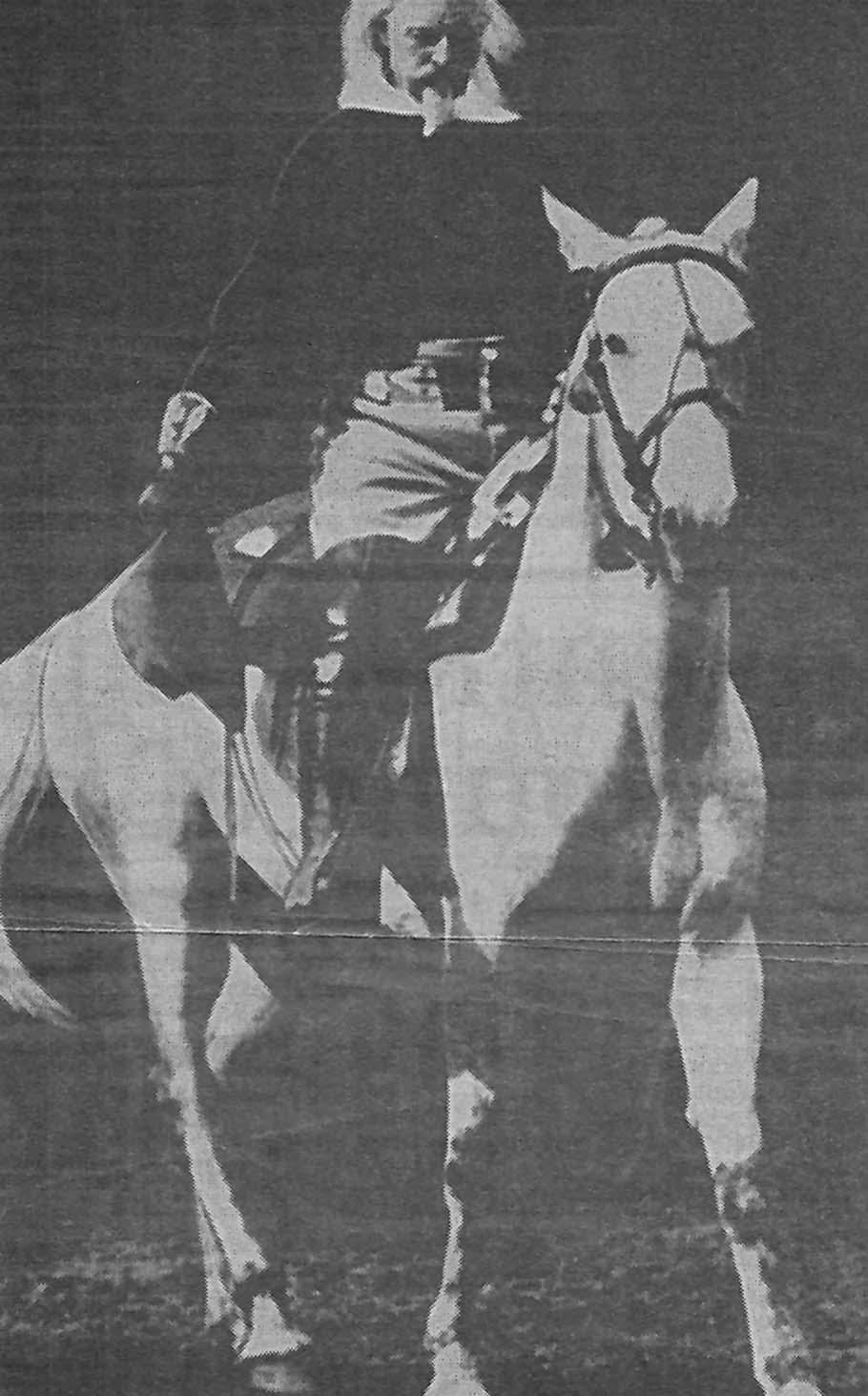
The well-structured programme opened with a Cowboy Band led by its Director, William Sweeney with a rendition of The Star Spangled Banner. A grand review followed announced by the ringmaster, comprising colourful dress and uniformed sections of Rough Riders of the World - galloping Cowboys, Cossacks, Mexicans, Arabs, Gauchos, Native Americans and cavalrymen. The riders were led to cheers and great acclaim by Buffalo Bill, who introduced the groups of riders and their skilled horsemanship demonstrations. By then, Buffalo Bill's flowing hair was grey, but he was reported by the Watford Observer in 1903 as being seated on his horse like a young man.

Next in the programme, various classes of riders demonstrated their skills with Seats in the Saddle, before a drill by veterans of Battery D, Fifth Regiment of the United States Artillery, comparing old muzzle loading methods with later rapid-fire guns.
Following the Artillery, a prairie wagon train crossed the arena, a camp fire was lit and a realistic attack took place. Buffalo Bill then exhibited his unrivalled shooting skills on horseback with a Winchester rifle.
A Pony Express rider re-enacted the days before railways and telegraph, riding across the arena bearing letters and telegrams. American Life Savers demonstrated the use of the mortar and the breeches buoy, utilised in sea rescues. Cossacks performed feats of horsemanship. A young marksman showed off his skills, then there was a race between Western American girls. Mexican lassoists followed before a two-scene reenactment of the Battle of San Juan Hill. Arab horsemen were next, then cowboys took to the arena on untamed horses and bucking broncos.
Native Americans, reportedly from the Sioux, Arapahoe, Brule and Cheyenne tribes, took part in war dances and a mounted skirmish on untamed horses. Veterans from the Sixth US Cavalry participated in military exercises, followed by the same from veteran English cavalrymen.
The famous old weather-beaten Deadwood mail coach pulled by six mules then made its grand entry. Another skirmish followed, with bareback Native Americans racing around the arena on their mounts. A ranch tableau reflecting prairie life in the mid-1800s and its associated risks was the last event. A salute by the entire cast of riders closed the breathtaking programme.
Watford had never seen anything like Buffalo Bill's Wild West show! It played to high-capacity audiences in Five Acres Field during the afternoon and around 12,000 attended in the evening.
The Deadwood mail coach brought back vivid memories of Calamity Jane, the Doris Day film that my grandmother took me to see as a child in Watford at the Odeon or Gaumont cinema. The lively scene of the Deadwood Stage (Whip-Crack-Away) performed by Doris Day remains with me to this day - I still remember the words!


Share